By 2050, there could be more plastic than fish in the oceans. Faced with this prospect, the Italian company Ogyre has chosen a path of concrete action, earning significant recognition: it is the first global Fishing for Litter platform to receive endorsement from the Ocean Decade, the United Nations’ ten-year program dedicated to ocean sustainability. The milestone crowns more than three years of fieldwork and a scalable model. Since 2021, the Bogliasco-based startup has removed 887 tons of marine and coastal waste, engaging more than 130 local fishers across Italy, Brazil, Indonesia, and Senegal. Notably, participating fishers are paid daily wages three times higher than the local minimum salary.
Blockchain and transparency: tracking waste from sea to disposal
The core of Ogyre’s system lies in traceability. Each collection activity is recorded on blockchain, making the entire process verifiable — from retrieval at sea to the final destination of the waste, whether recycling or waste-to-energy recovery. This approach has prevented the emission of more than 460 tons of CO₂ and generated over 407,000 kWh of clean energy.
The platform also enables companies to certify corporate sustainability projects linked to the UN Sustainable Development Goals. To date, more than 200 brands have joined the initiative.
“Ogyre’s work shows how innovation and community leadership can accelerate progress toward a pollution-free ocean,” said Alison Clausen, Deputy Coordinator of the Ocean Decade.
Data against the emergency: a marine pollution database is born
But Ogyre doesn’t stop at cleanups. By weighing and cataloguing the materials recovered, the startup has built one of the most significant datasets on marine pollution across its operating areas—valuable information for understanding the origin, distribution, and impact of waste in coastal ecosystems.
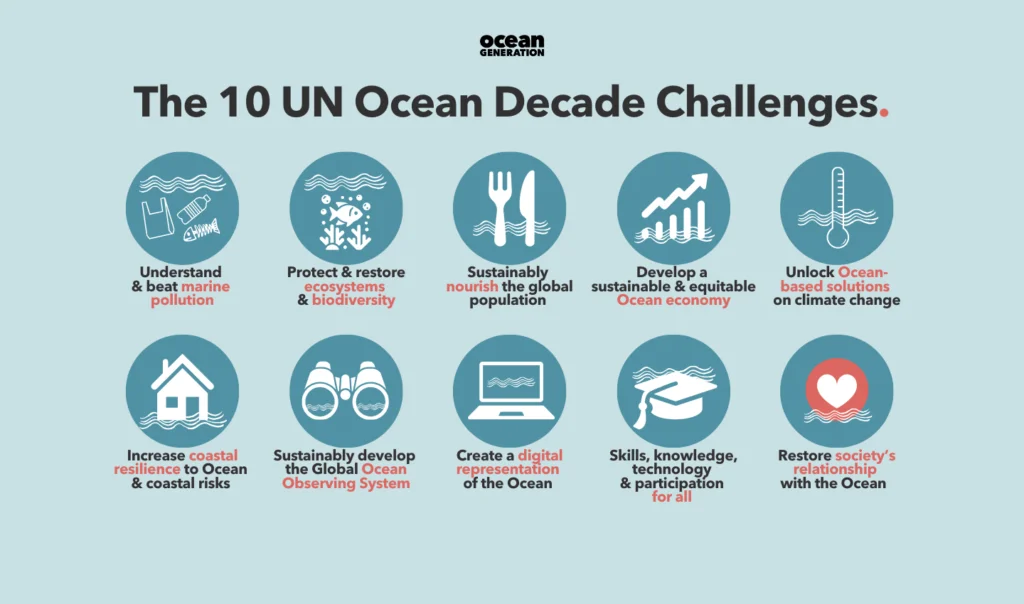
This approach addresses three of the Ocean Decade’s central challenges: tackling marine pollution, protecting biodiversity and ecosystems, and developing a sustainable and equitable ocean economy.
Italy and the blue economy: a $3 trillion potential still untapped
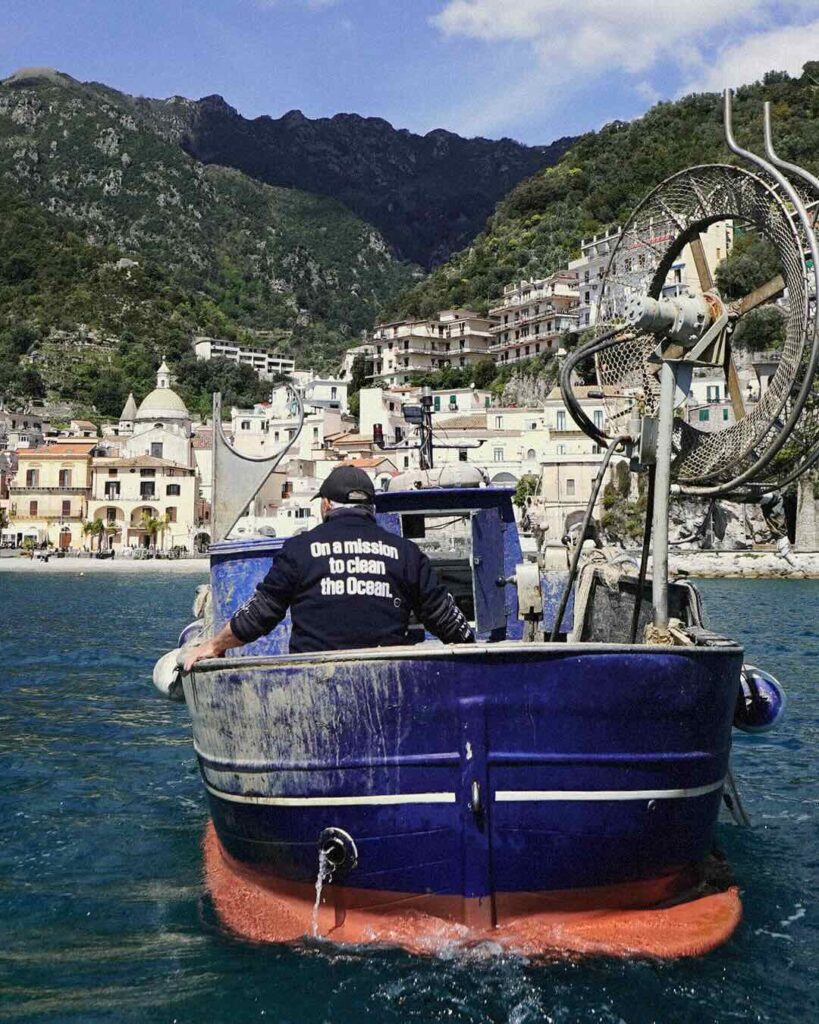
With oceans covering 70% of the planet, the blue economy could be worth up to $3 trillion by 2030. Yet in Italy the development of this sector has moved slowly. Until 2022, for instance, fishers were not legally allowed to bring ashore waste accidentally collected during fishing activities.
“Ogyre is the only Italian organization recognized by the Ocean Decade for its mission against plastic in the sea,” notes Andrea Faldella, the startup’s CEO and co-founder. “In Italy, this problem still receives too little attention. This milestone will allow us to raise awareness among an ever-growing number of companies and individuals, supporting our actions worldwide.”
A model that brings together the environment, technology, and social justice
UN recognition validates the effectiveness of a model that combines technological innovation, social inclusion, and transparency. Ocean health is crucial to the planet’s future, and initiatives like Ogyre show that sustainability should be understood not as a cost that can be postponed, but as a strategic and urgent investment.
From Liguria to the world, with a global fleet and a growing network of communities and businesses, Ogyre continues to demonstrate that change can start even from plastic—if it is fished back out.