A “sustainable” cocoa, a “fair” sugar, a “responsible” coffee. Words are not in short supply on the shelves. What is often missing is an understanding of what actually lies behind them. It is along the global supply chain that brings food to our tables — from cultivation to processing — that much of the credibility of companies’ environmental and social promises is decided. Understanding what it means to make a global supply chain ethical is today a question that concerns everyone, not just those who produce or buy wholesale.
Before the label
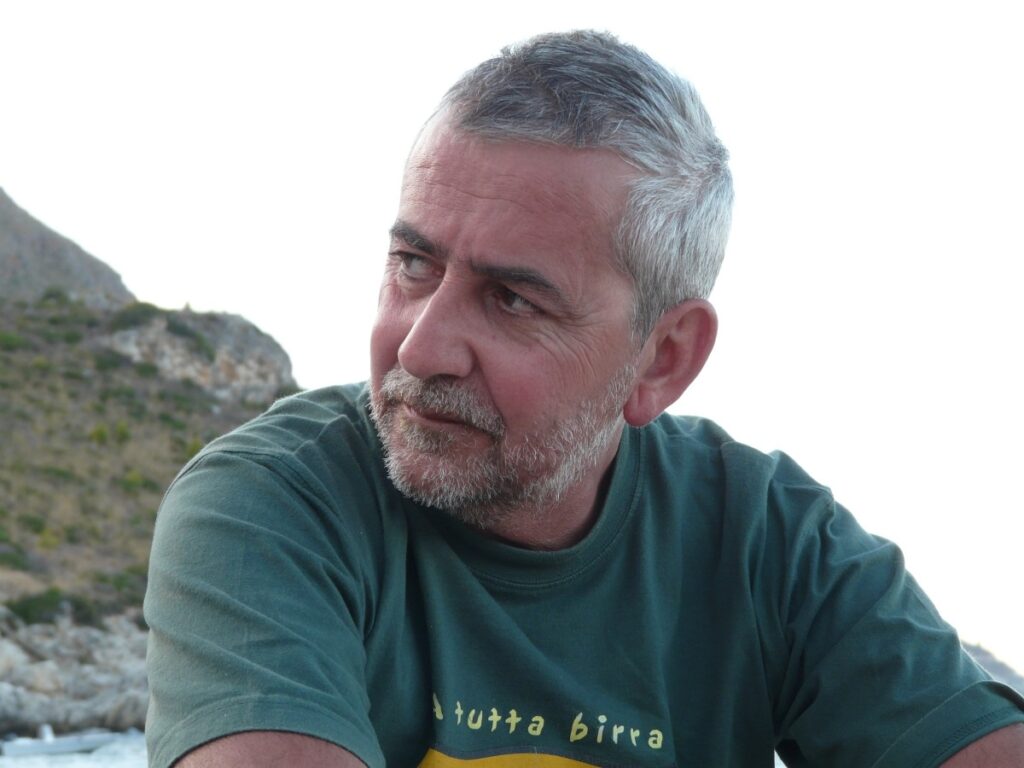
“Sustainability is often told at the end of the process, when the product is already packaged,” explains Marcello Patera, senior business developer at Made in Dignity. “But it is much earlier that one decides whether a supply chain is truly ethical.”
It is from this conviction that Made in Dignity was born — the protocol developed by Altromercato, Italy’s largest fair trade organization and one of the most significant in the world. Founded in 1988 as a cooperative in Bolzano and now a social enterprise working with over 140 producer organizations across 40 countries, Altromercato built Made in Dignity to construct supply chains based on fair trade, transparency, and direct corporate participation. Not a label to be affixed to the packaging, but a set of operational rules binding the purchase of raw materials — cocoa, coffee, sugar — to social and agricultural development projects built together with the producers.
“The key is radical transparency,” Patera continues. “It is involvement. It is bringing companies into the supply chain, literally: sharing choices, responsibilities, risks, and results. Not only on paper, but taking people into the field, getting their shoes muddy. That is how the relationship stops being purely commercial and becomes, above all, a human connection.”
A model born with the producers
Altromercato has worked for over thirty years with farming communities in more than forty countries. Made in Dignity grows out of this experience, but marks a further step: directly involving industrial enterprises in the construction of supply chains.
“We were born for producers. That is our imprint,” says Patera. “Today, food industries can enter into this vision, but on one condition: they are not simply purchasing a raw material — they are participating in the construction of value.”
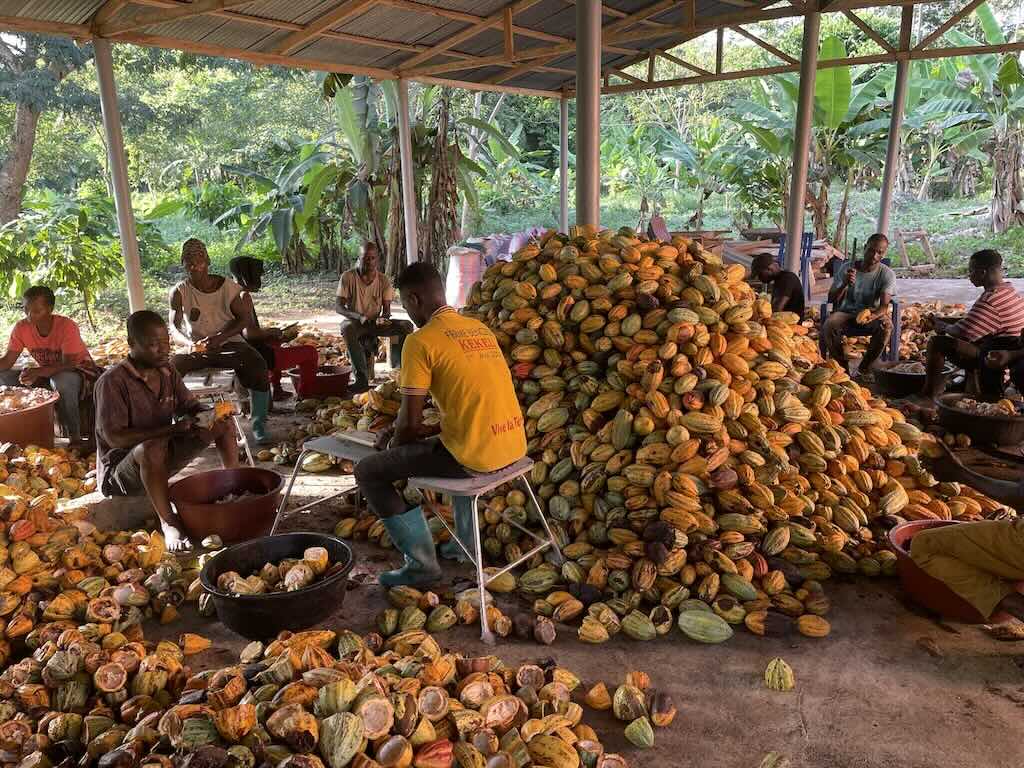
This means jointly defining prices, volumes, investments, and social objectives. It means working on agricultural training, infrastructure, crop diversification, and, in many cases, introducing advanced traceability systems such as blockchain.
Sustainability as a process, not as a result
In the language of Made in Dignity, sustainability is not an immediate destination. Supply chains are designed over a horizon of at least five years — a timeframe necessary to allow communities to acquire skills, improve productivity, and strengthen their own autonomy.
“When companies visit the cooperatives, they see how a raw material is grown and processed, they put a face to the suppliers, and everything changes,” Patera recounts. “The relationship ceases to be a distant one. It becomes cooperative. That is where the real shift happens.”
This approach has been applied in different contexts — from Togo to Ecuador, from Mauritius to Madagascar — while keeping one principle constant: the purchasing company is not a mere customer, but a partner involved in the journey.
The numbers, and what they cannot say on their own
In 2024/2025 Altromercato recorded significant growth, with a 33.4% increase in revenues and a value of production that rose to 46.5 million euros. A significant part of these results is associated with the development of Made in Dignity, which in the raw materials channel for industry reached almost 20 million euros.
But, as Patera stresses, numbers alone are not enough to convey the meaning of the model. “These projects must be economically sound, of course. But the guiding light remains the social dimension: creating real conditions for people’s lives in communities to improve.”
In Togo, a five-year project with Esselunga — one of Italy’s leading supermarket chains — involved more than 9,000 people, improving agricultural productivity and introducing agroforestry and crop diversification systems. In Ecuador, an independent study estimated a social return of more than two euros for every euro invested in a Made in Dignity supply chain.
When companies choose to enter the supply chain
Over time, Made in Dignity has attracted the interest of companies that vary greatly in size and positioning, but share a willingness to reconsider their role in the supply chain. Among them are Ferrero, Esselunga, Loacker, Lavazza, and Rigoni di Asiago — all household names in Italian food manufacturing, ranging from global confectionery to premium biscuits, coffee, and organic preserves.
The first structured collaboration dates back to 2011 and takes full shape in 2016, when Ferrero — the Italian multinational behind Nutella and Ferrero Rocher — alongside the purchase of fair-trade sugar, directly finances a cooperation project with 25 cooperatives in Mauritius. Not a mere supply arrangement, but a shared and verifiable commitment over time.
That project becomes a replicable model. With Esselunga, Made in Dignity builds a cocoa supply chain in Togo that involves thousands of producers and leads the company to commit to sourcing its branded cocoa exclusively from fair-trade, traced, and participatory supply chains. From July 2025, a new five-year project has also begun in Madagascar, which will involve over 300 producers in training and in the creation of infrastructure for full traceability of the cocoa supply chain.
With Loacker, in Ecuador, the five-year journey generates a certified social return exceeding the initial investment. With Lavazza and Rigoni di Asiago, the protocol is applied to different raw materials and contexts, while the underlying framework remains unchanged.
“The hardest thing for companies,” Patera observes, “is understanding that they are entering into a relationship, not a supply arrangement. Once they accept this shift, the rest becomes possible.”
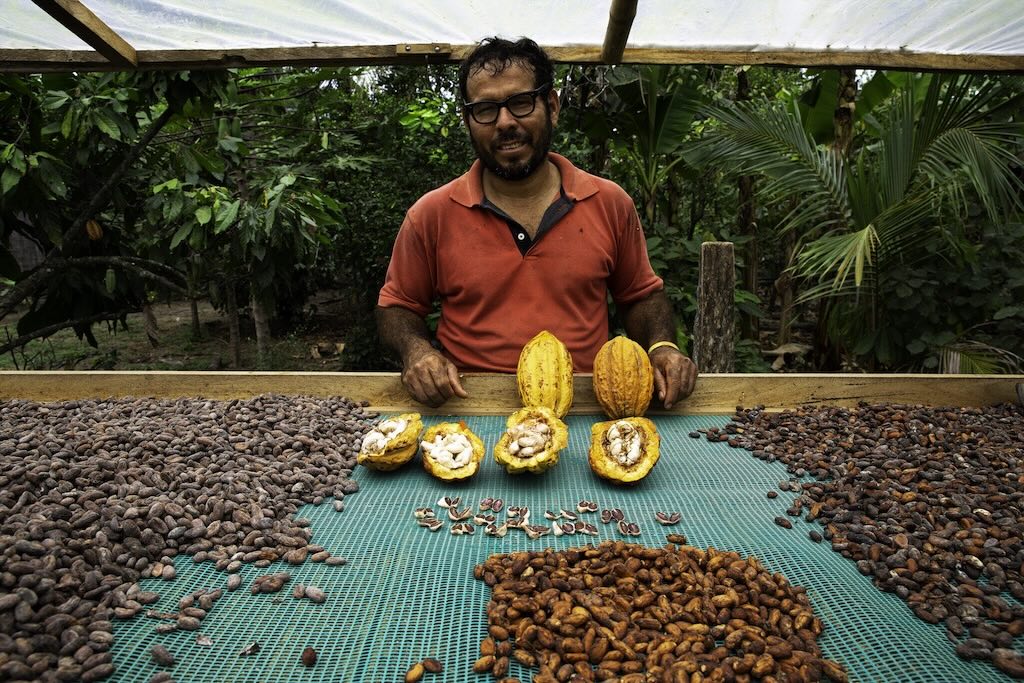
Altromercato does not limit itself to acting as an intermediary: it works with producer communities to strengthen local agricultural systems, improve skills, introduce agroforestry practices and technologies capable of increasing quantity and quality, while at the same time ensuring environmental sustainability.
Making a global supply chain ethical is neither simple nor fast. Made in Dignity requires upfront investments, a presence in the field, and a willingness on the part of companies to give up some of the short-term logics that often drive industrial decisions.
“This model brings together trade, agricultural technique, infrastructure, and training,” Patera concludes. “It is not theory and it is not a stamp. It is very concrete. And above all it creates autonomy, not dependence.”
What to learn from the Made in Dignity (MID) model
The MID model suggests that building genuinely sustainable supply chains is possible, under certain conditions: strong motivation, long-term relationships, and a balance between economic solidity and social impact.
As Patera emphasises — having worked on these projects for over ten years — economic sustainability is necessary but not sufficient. “The guiding light must remain the social dimension: the will to create a real possibility for communities to improve their living conditions.”
In the countries where Altromercato operates, he explains, many communities have long remained in a condition of dependence and underdevelopment. “We want to reason with them as equals. In a commercial framework, yes, but as equals. That is what I call Altromercato style: a culture that starts from respect for the producers to create a future.“
“Made in Dignity is a name that says it all,” he adds. “Dignity is the starting point and the finishing point. Without dignity, there is no fair trade. There is only trade.”
The final question, then, is not whether supply chains like Made in Dignity work — the data suggest they can — but how many companies are truly ready to adopt models that challenge the traditional way of doing business. Can respect for dignity become the norm, or will it remain a virtuous exception?